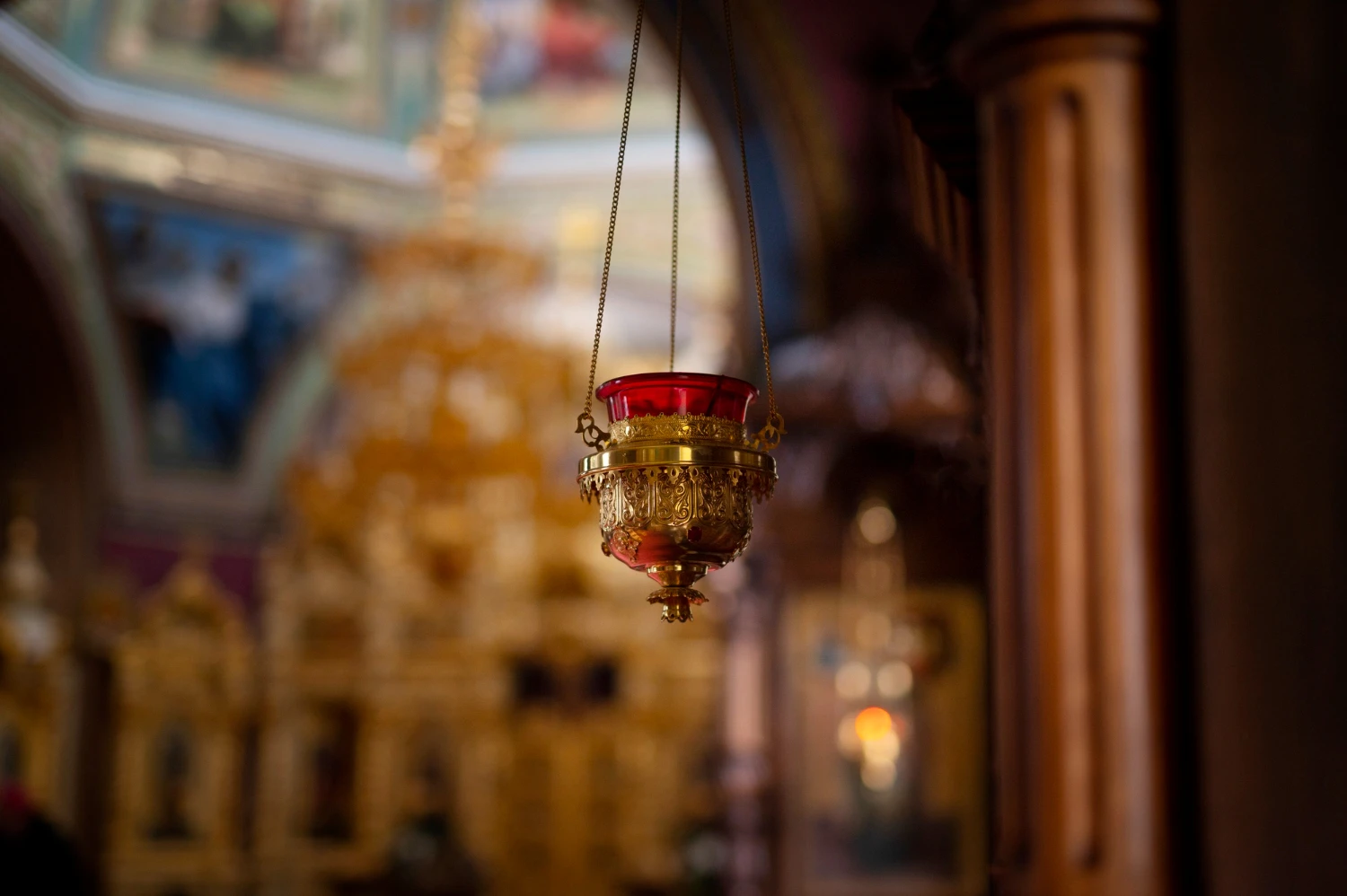
Choosing a Greek icon is a deeply personal and spiritual decision. Unlike ordinary religious decorations, Greek Orthodox icons are sacred images created to inspire prayer, communicate Christian teachings, and direct the believer’s attention toward God. Whether you are selecting an icon for a home prayer corner, giving one as a religious gift, or furnishing a church, the right choice should reflect both spiritual meaning and practical considerations.
From the subject depicted to the icon’s size, materials, and artistic style, several details can help you find an image that will remain meaningful for years.
Begin With the Spiritual Purpose
Before selecting an icon, consider where it will be placed and how it will be used. An icon intended for daily personal prayer may be different from one chosen as a Baptism, wedding, or housewarming gift.
For a home prayer corner, many Orthodox Christians begin with an icon of Jesus Christ and an icon of the Virgin Mary, also known as the Theotokos. These images create a strong spiritual foundation for personal or family devotion.
An icon for a church, chapel, or larger devotional area may require a more substantial size or a traditional subject connected to the parish’s patron saint. Smaller icons, meanwhile, are ideal for a bedside table, desk, travel bag, or private prayer space.
Understanding the purpose of the icon will make it easier to choose the appropriate subject, dimensions, and design.
Choose a Meaningful Sacred Subject
The person or biblical scene represented in an icon is one of the most important factors to consider. Each image carries its own theological meaning and spiritual significance.
An icon of Christ Pantocrator emphasizes the authority, wisdom, and mercy of Jesus Christ. It is one of the most recognizable images in Orthodox Christianity and is an excellent choice for a central prayer space.
Icons of the Virgin Mary are available in several traditional forms. Our Lady of Tenderness presents a loving and intimate image of Mary and the Christ Child, while the Hodegetria depicts Mary pointing toward Jesus as the source of salvation.
You may also choose an icon of a patron saint associated with the recipient’s name, profession, personal struggles, or spiritual journey. Icons of Saint George, Saint Nicholas, Saint Michael the Archangel, and the Holy Family can offer encouragement and serve as reminders of Christian virtues.
Icons depicting the Nativity, the Resurrection, the Last Supper, or the Baptism of Christ are particularly meaningful during liturgical seasons and family celebrations.
Understand the Symbolism
Greek icons follow a visual language filled with theological meaning. Colors, gestures, inscriptions, clothing, and facial expressions are chosen intentionally.
Gold backgrounds often symbolize the eternal light of heaven rather than a physical location. Halos indicate holiness, while hand gestures may express blessing, prayer, or teaching. The letters surrounding Christ frequently identify Him through traditional Greek abbreviations.
Taking time to understand these details can make the icon more meaningful. Instead of selecting an image only because it matches a room’s color scheme, consider what its symbols communicate and how they may support prayer and reflection.
Consider the Size and Display Location
The perfect Greek icon should suit the space where it will be displayed. A large icon can become the focal point of a home prayer corner, entrance hall, chapel, or church wall. Smaller icons work well on shelves, bedside tables, desks, and compact devotional spaces.
Before purchasing, measure the intended display area. Consider whether the icon will hang on a wall, stand on a surface, or form part of a larger collection.
A balanced prayer corner may feature a central icon of Christ accompanied by smaller images of the Virgin Mary and patron saints. Leaving space for candles, prayer books, a cross, or incense can create a more organized and reverent setting.
Select the Right Materials and Finish
Traditional Greek and Byzantine icons are often created on wooden panels. Some feature hand-painted details, printed sacred images, gold leaf, silver-colored coverings, or decorative embossing.
A handcrafted or hand-painted Greek icon can be especially suitable for an important sacramental occasion or heirloom gift. Printed icons on wood offer a more affordable option while preserving the beauty and spiritual meaning of traditional iconography.
Pay attention to the finish and craftsmanship. A distressed or antique-style surface can evoke the appearance of historic icons, while polished wooden panels may suit a more contemporary home.
Choose an Icon as a Meaningful Gift
Greek icons make thoughtful gifts for Baptisms, Confirmations, weddings, ordinations, anniversaries, name days, and new homes. The best religious gifts connect the sacred subject to the recipient’s life.
A guardian angel icon may be appropriate for a child, while an icon of the Holy Family can celebrate a marriage or new home. An icon of a patron saint is especially personal and may become a treasured object passed down through generations.
Including a short message explaining the icon’s meaning can make the gift even more memorable.
Find Greek Icons at Holyart
Holyart offers a varied collection of Greek and Byzantine-style icons suitable for prayer, gifting, home decoration, and church use. Shoppers can explore icons of Christ Pantocrator, the Virgin Mary, archangels, apostles, saints, and important scenes from the life of Jesus.
With different sizes, materials, finishes, and price points available, it is possible to find an icon that suits both your spiritual intentions and the space where it will be displayed.
The perfect Greek icon is not simply the most decorative option. It is the image that encourages prayer, strengthens faith, and creates a lasting connection to the sacred traditions of Orthodox Christianity.